
Author: Andrew Grantham
Railway photography in Nazi Germany
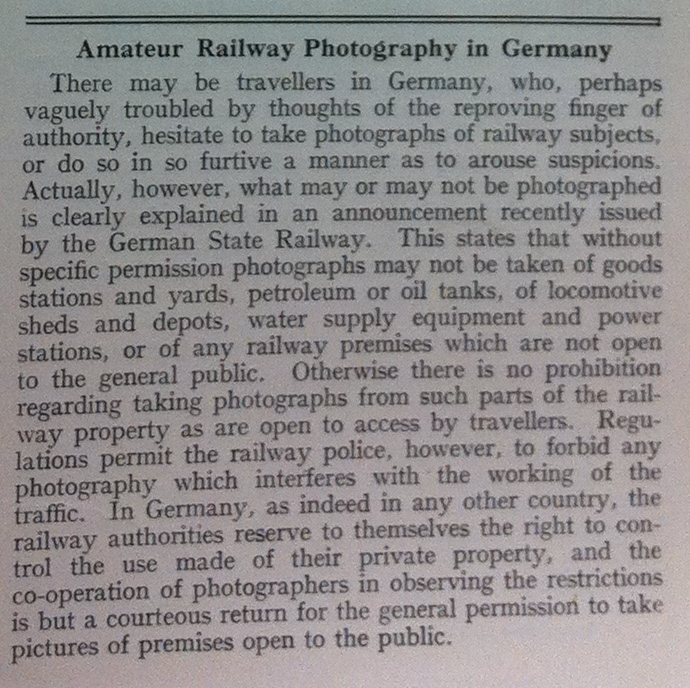
Given the outbreaks of anti-photography paranoia which have occurred in Britain in recent years, I was amused to stumble across this 1938 Railway Gazette article “Amateur railway photography in Germany”, reporting that the Reichsbahn had recently clarified that railway photography was permitted from public areas.
The report was published on 15 April 1938 – the week in which you-know-who’s party won more than 99% of the votes in the final “election” before the war.
The Museum of Army Transport rail-ripper
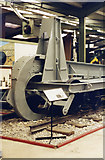
Museum of Army Transport, Beverley: German railroad-plough
© Copyright Ben Brooksbank and
licensed for reuse under this
Creative Commons Licence.
The question of what happened to the railway-wrecking hook which used to be at the now-defunct Museum of Army Transport at Beverley in East Yorkshire sometimes arises in various places.
Some time ago I e-mailed the National Army Museum to ask if they knew where it had got to, and they kindly got back to me with the following information:
When the Museum of Army Transport closed, a large proportion of the vehicles were transferred to the National Army Museum, including the railway wrecker. This vehicle (NAM. 1998-09-89), a Pline C24, was made in Germany in 1943. It was used in Italy and indeed captured there by the British Army.
Since the move of the vehicles, some have been transferred to other institutions who have much larger storage facilities for these types of vehicles. The railway wrecker was transferred to the Ministry of Defence Railway Service in Marchwood and it is unlikely to be on public display.
A 31 March 2008 report filed with the Charity Commission gives some details of what the National Army Museum did with former Museum of Army Transport (and other) exhibits, and includes the hook:
| Date of disposal | Accession number | Object | Result of disposal |
| 25 Feb 2008 | 1998-09-89 | Railway wrecker, Pline C24 | Transferred |
Does anyone have a better photo of the Beverley hook which I could include on this website? I was a regular visitor to the Museum of Army Transport when I lived nearby, but as ever with things which seem so familiar, I didn’t take any photos and then one day it was gone.
Great Patriotic War museum rail hook
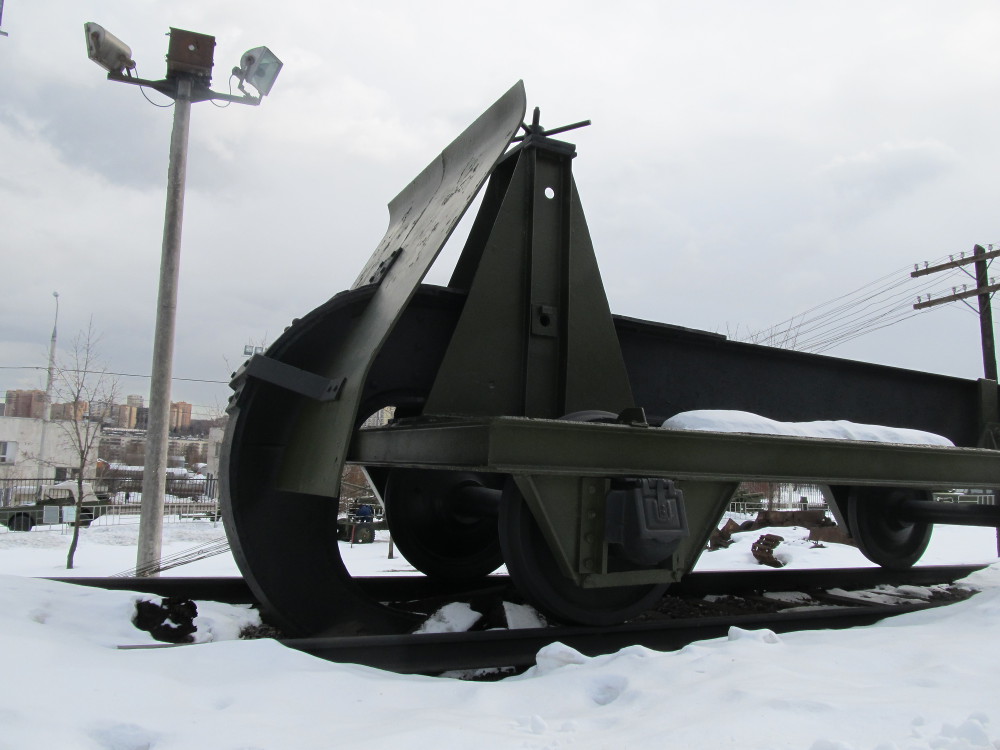
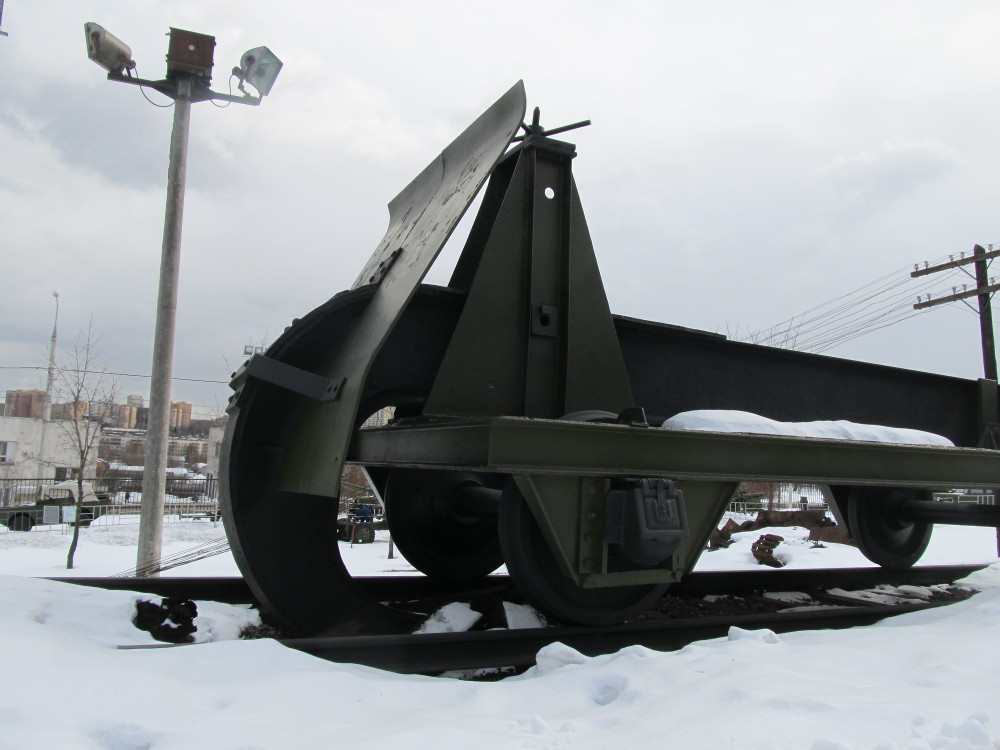
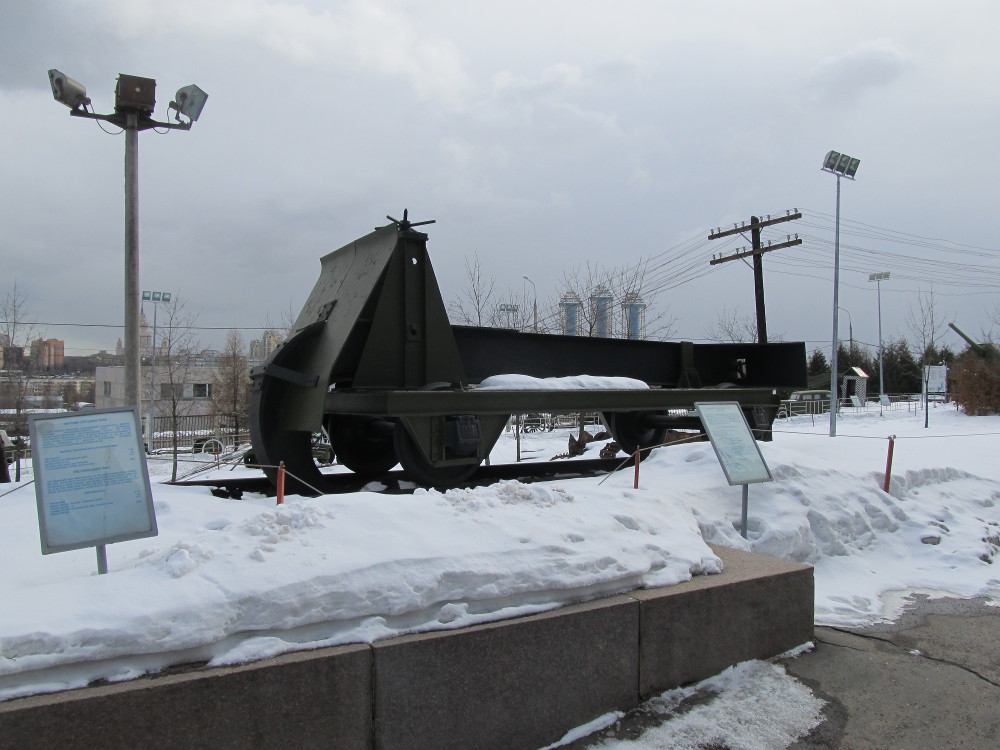
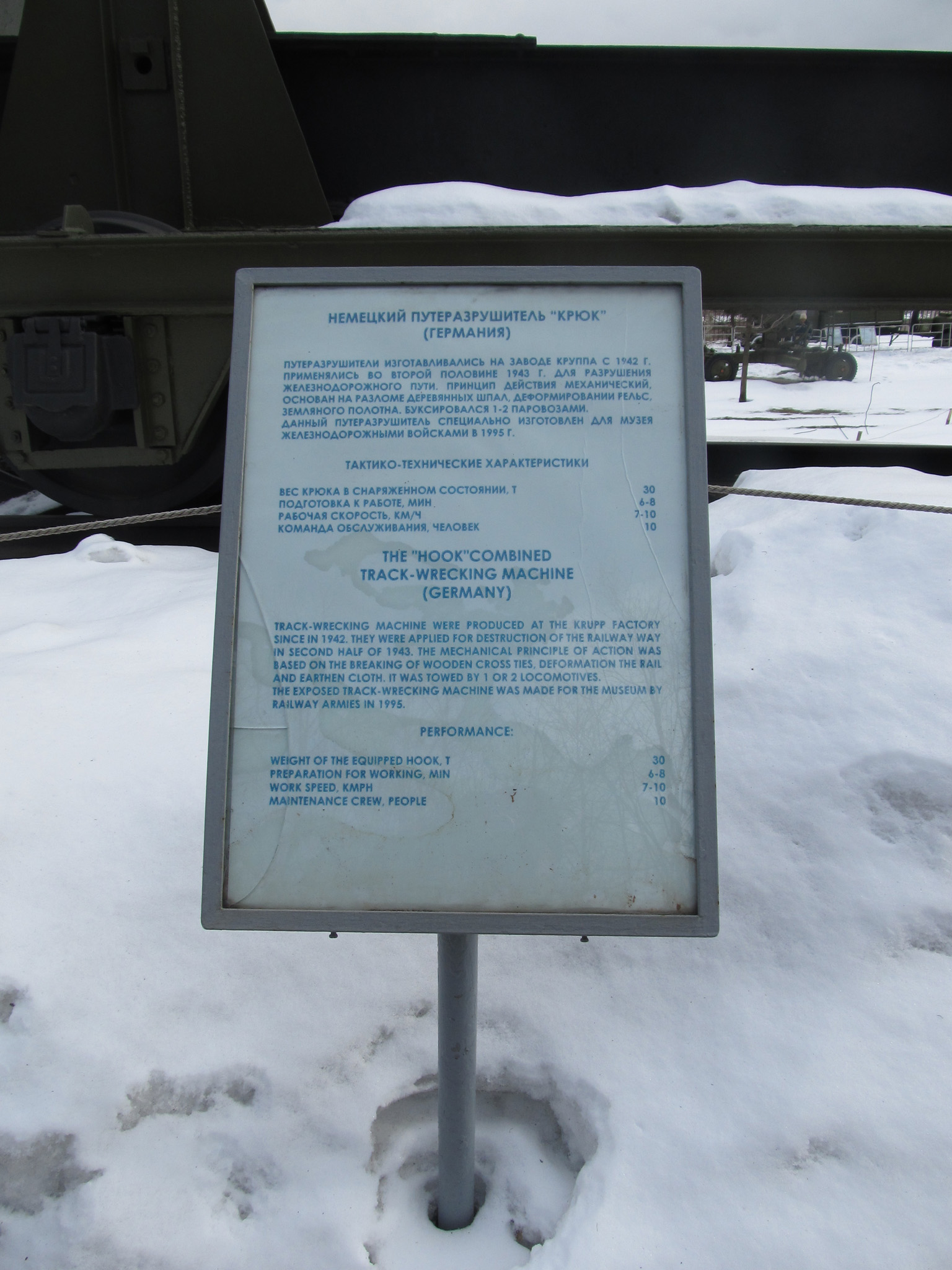
A replica of a Second World War rail-ripper hook wagon is included in the outdoor display area at the Central Museum of the Great Patriotic War in Moscow.
A sign explains:
The “Hook” combined track-wrecking machine (Germany)
Track-wrecking machine were produced at the Krupp factory since in 1942. They were applied for destruction of the railway way in second half of 1943. The mechanical principle of action was based on the breaking of the wood cross ties, deformation the rail and earthen cloth. It was towed by 1 or 2 locomotives.
The exposed track-wrecking machine was made for the museum by railway armies in 1995.
Performance
Weight of the equipped hook, T 30
Preparation for working, min 6-8
Work speed, kmph 7-10
Maintenance crew, people 10
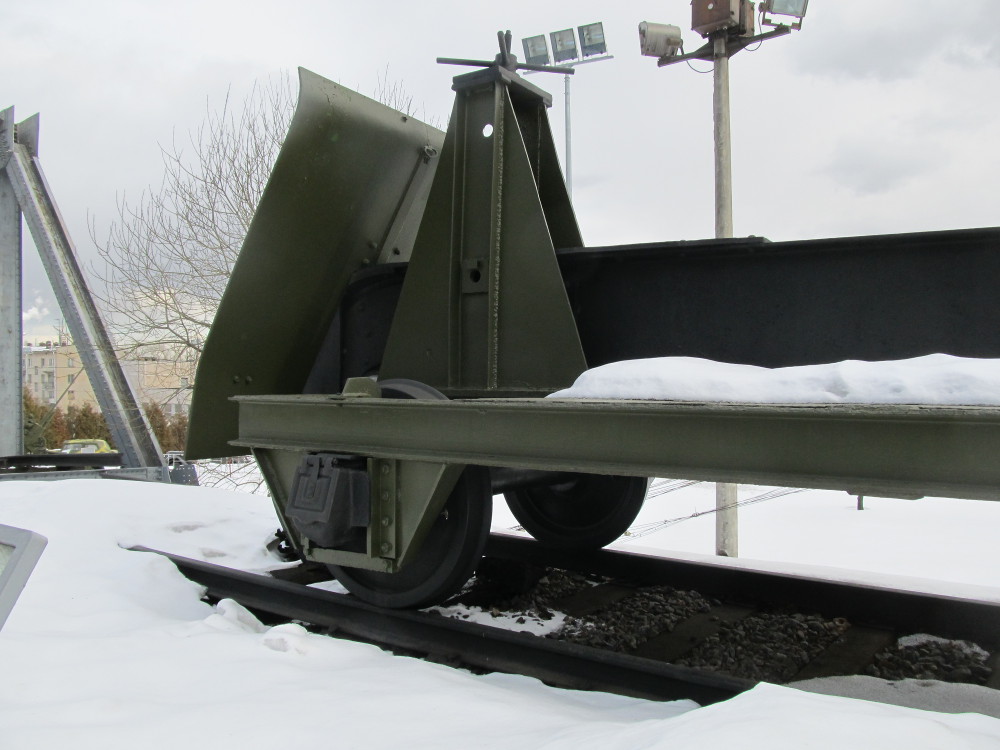
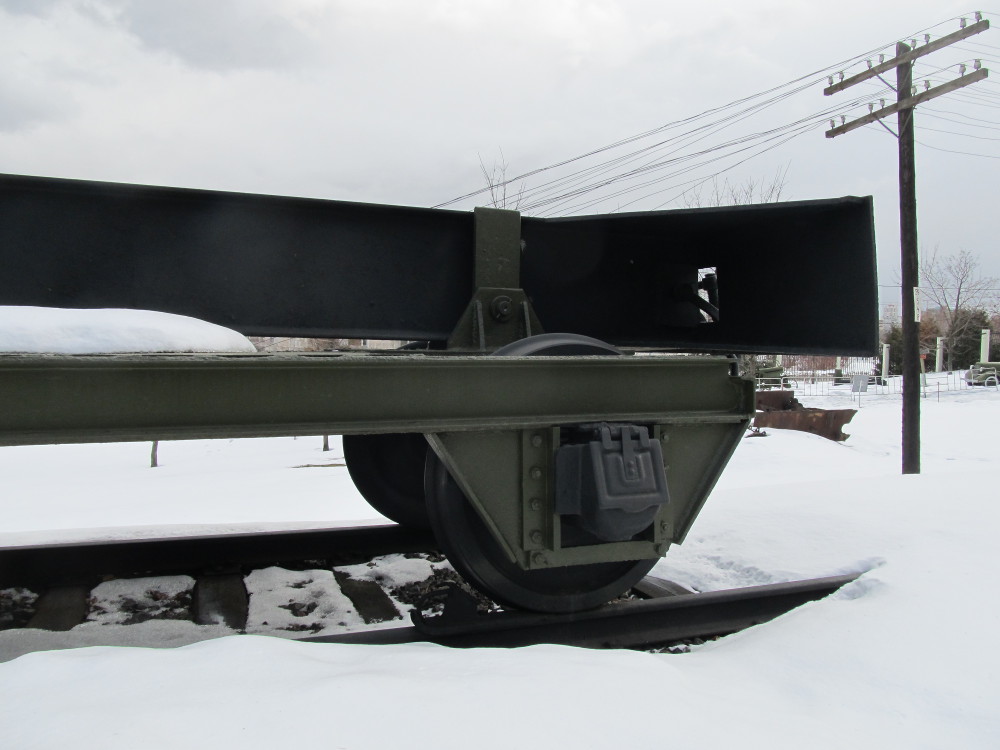
Other exhibits
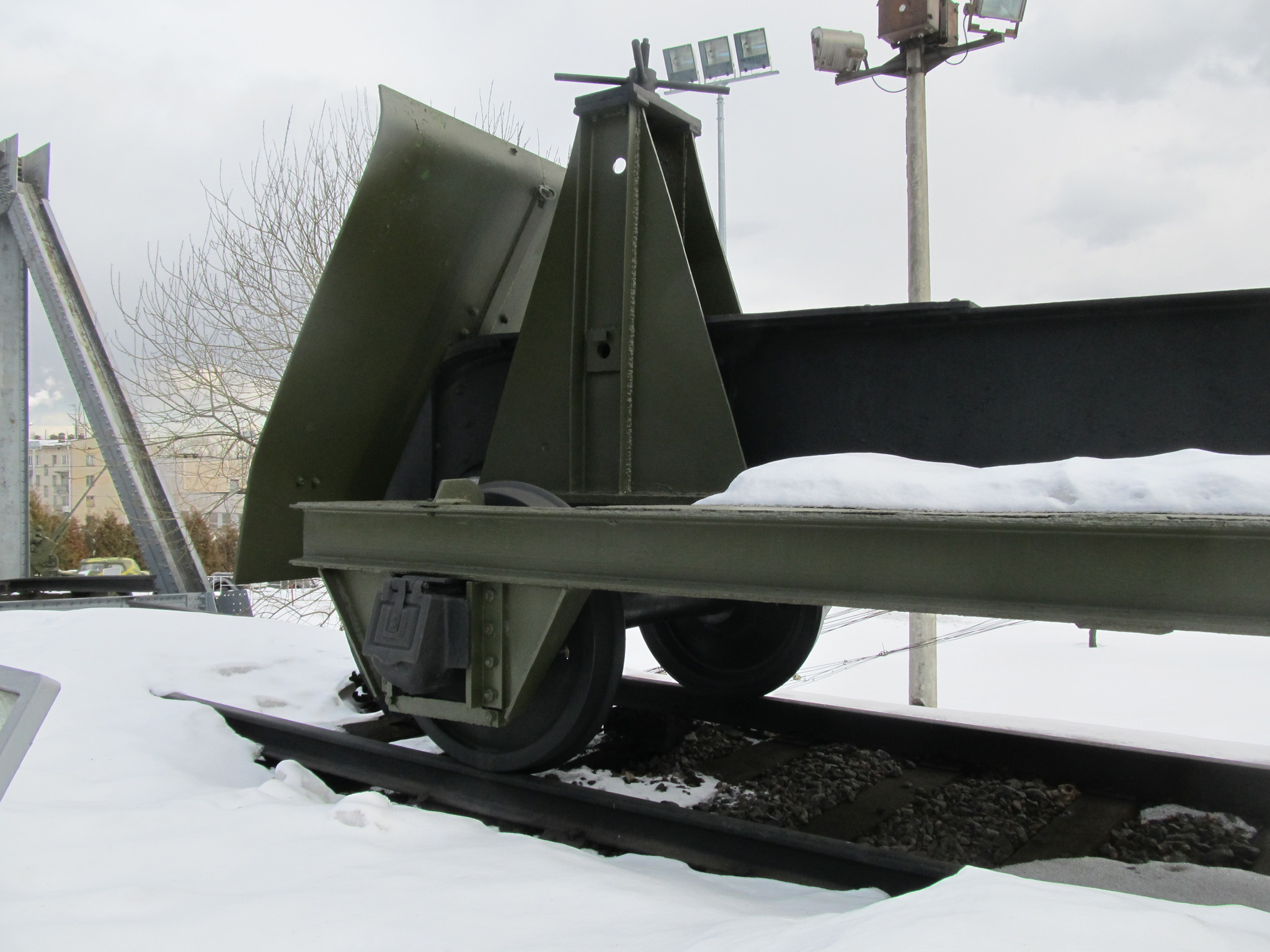
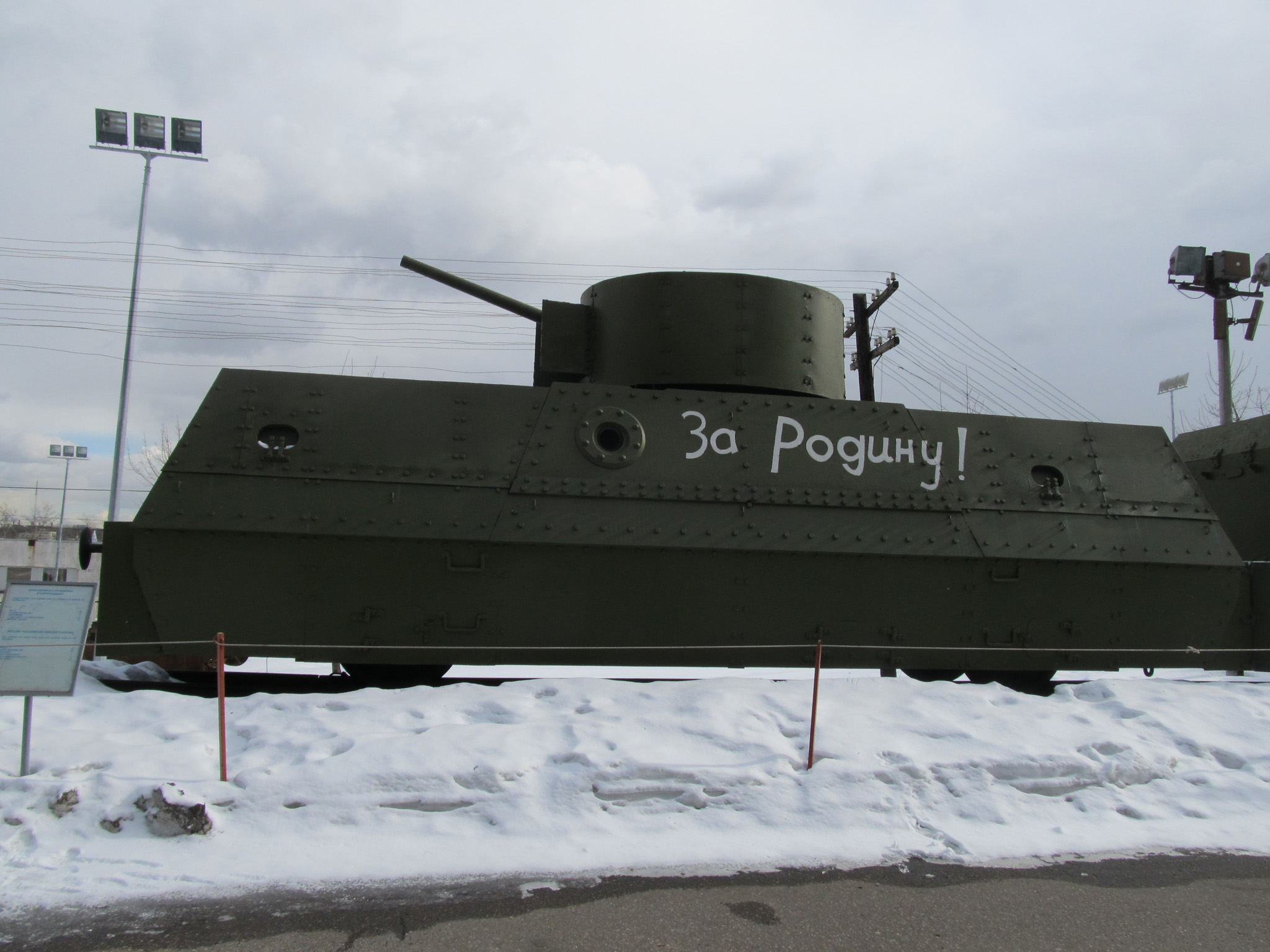
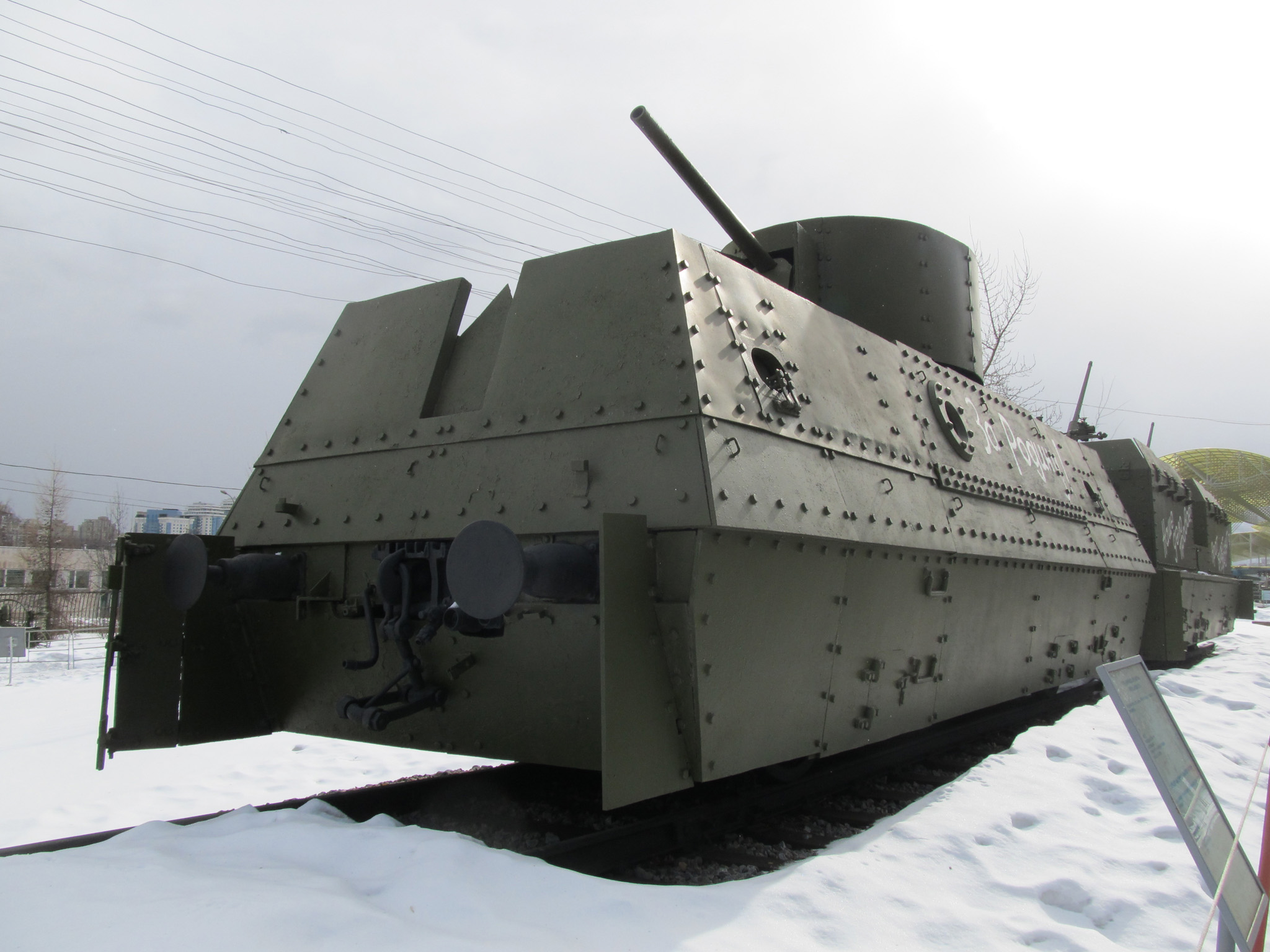
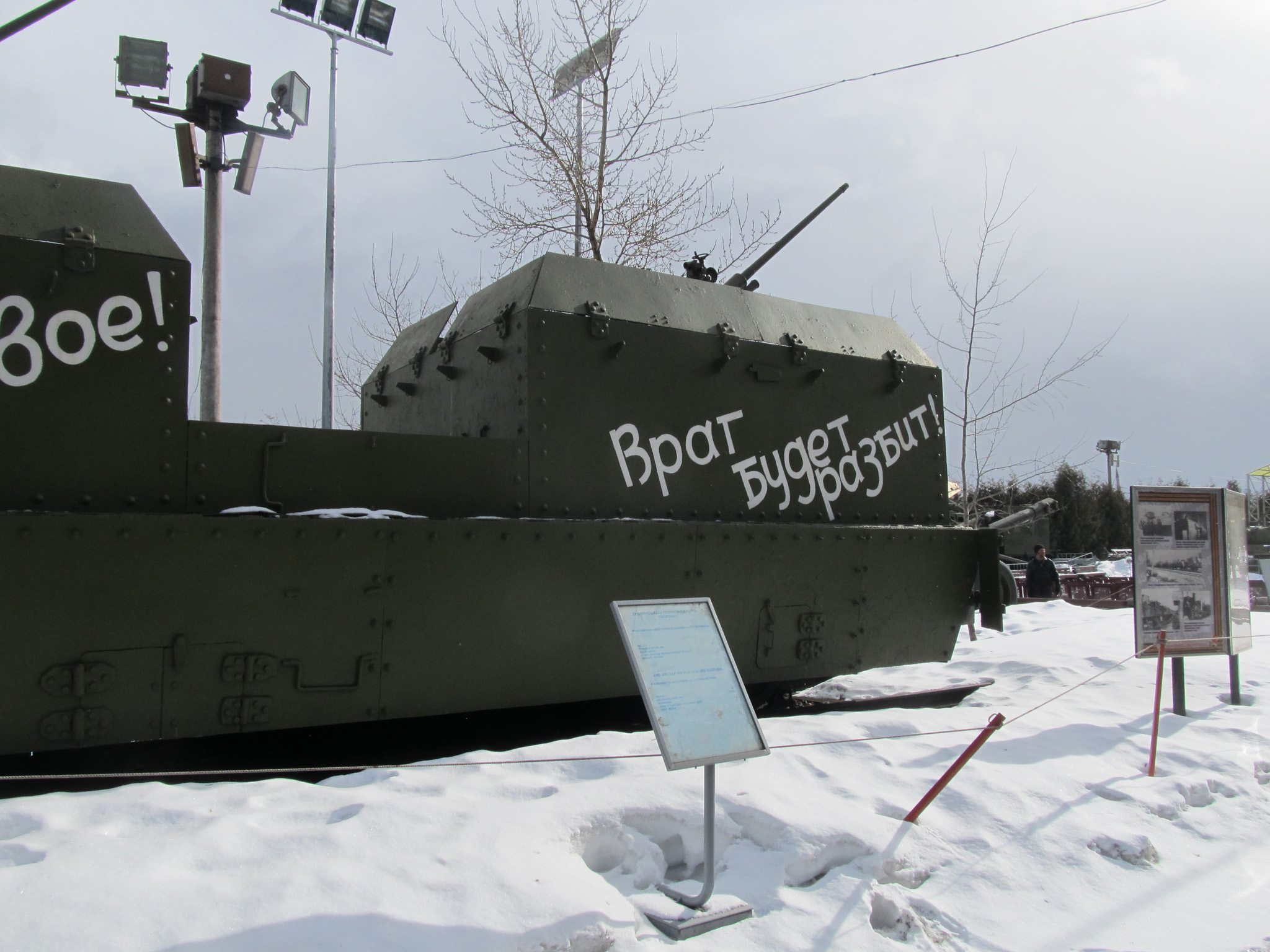
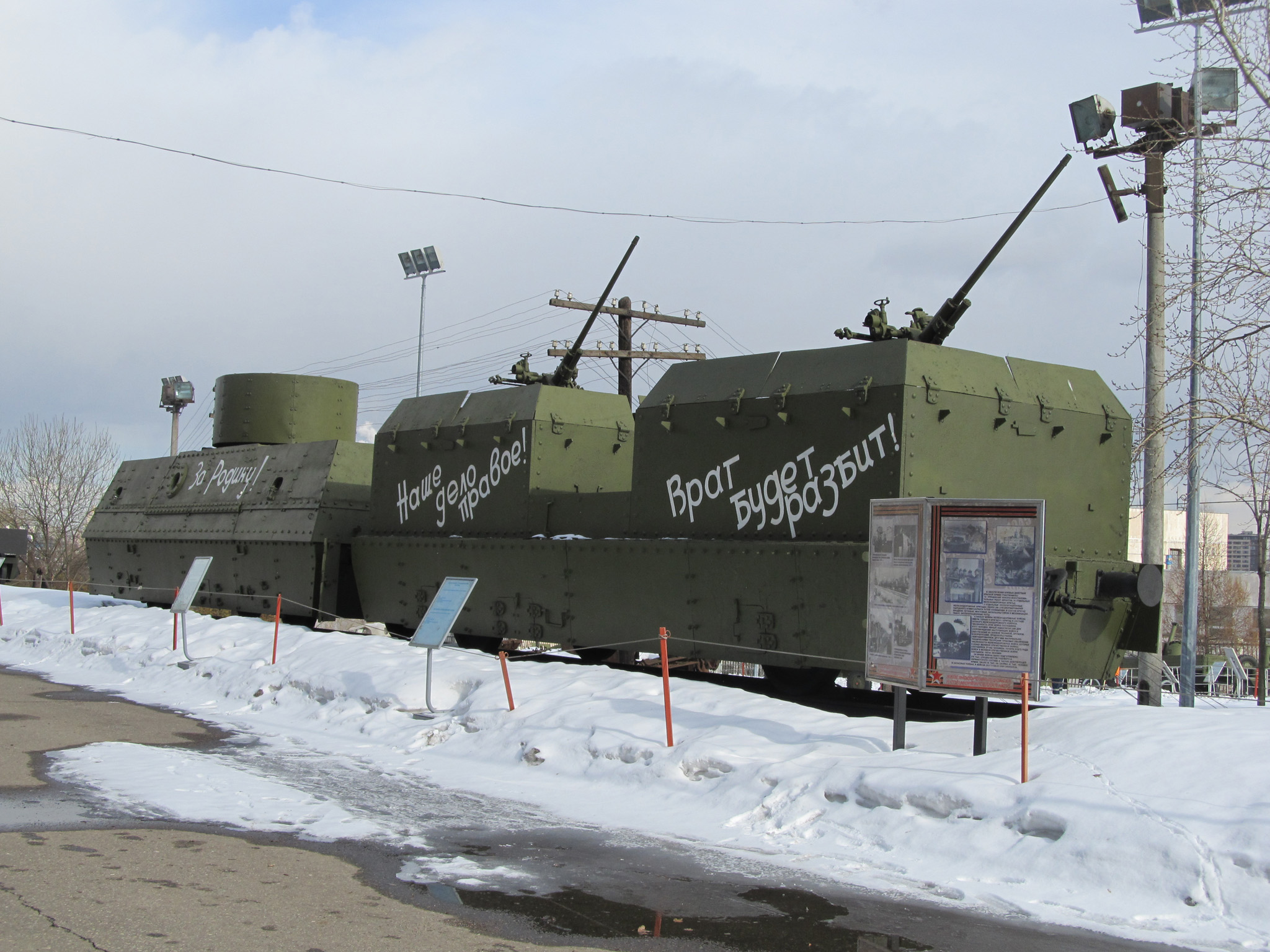
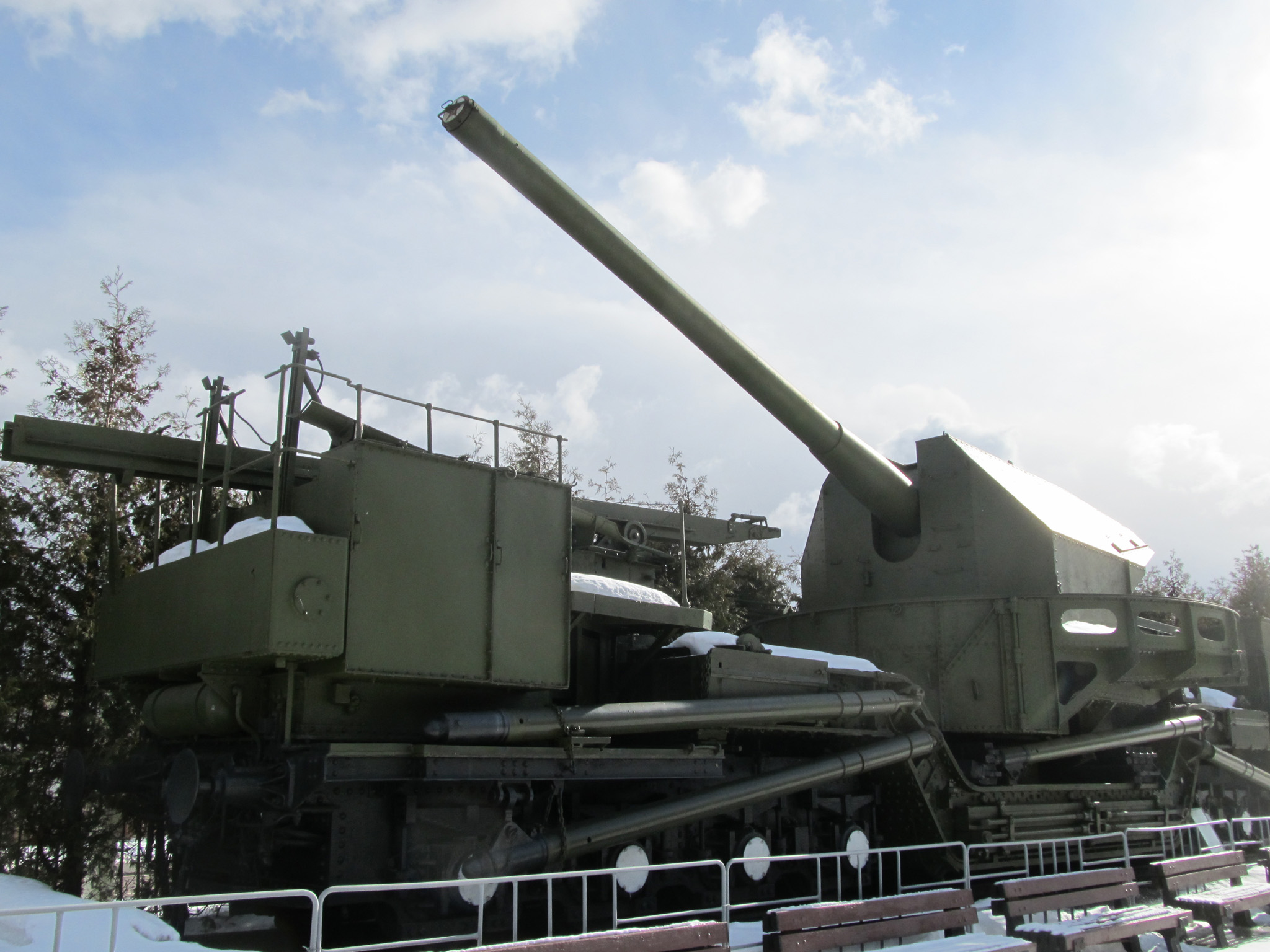
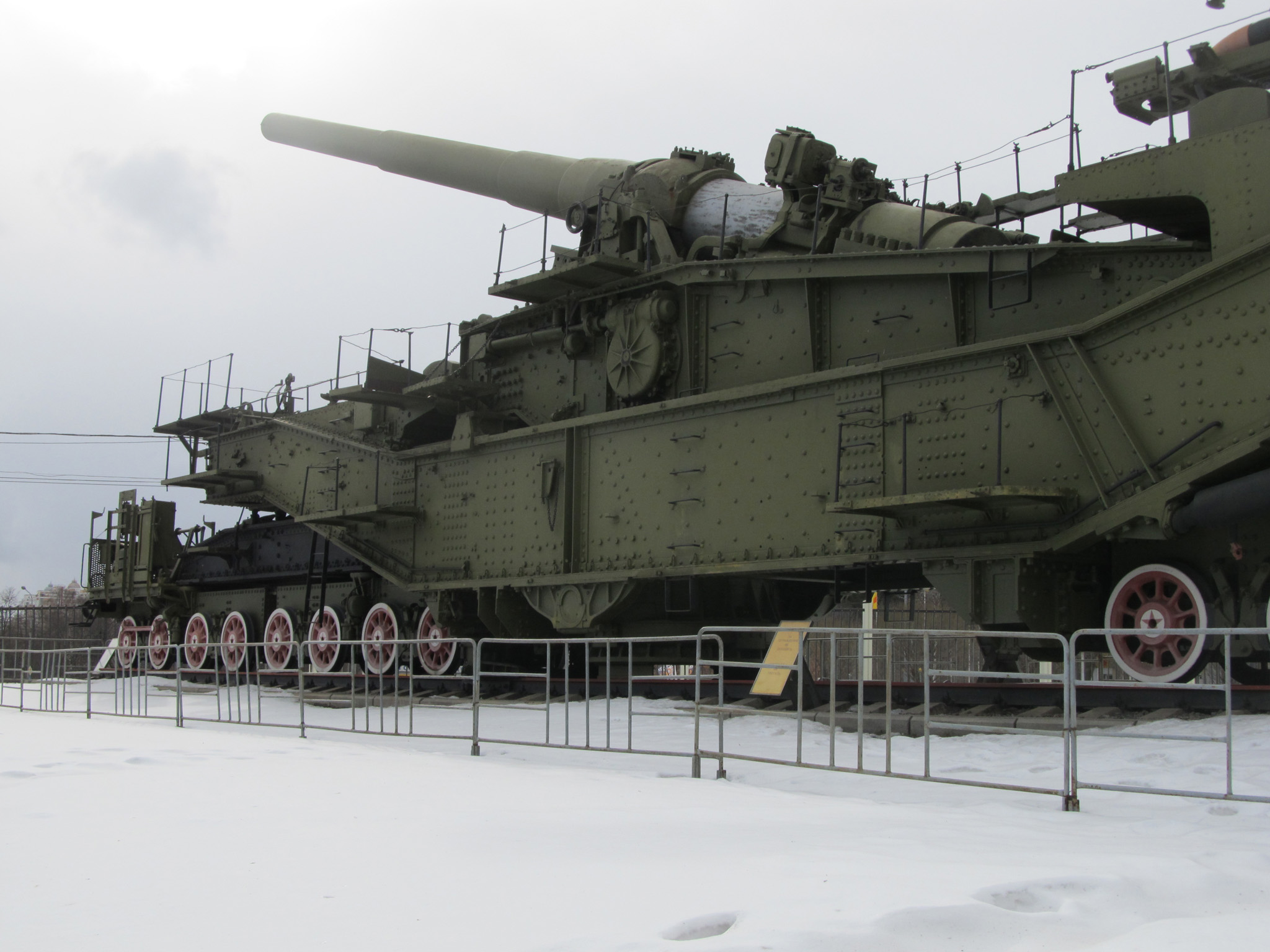
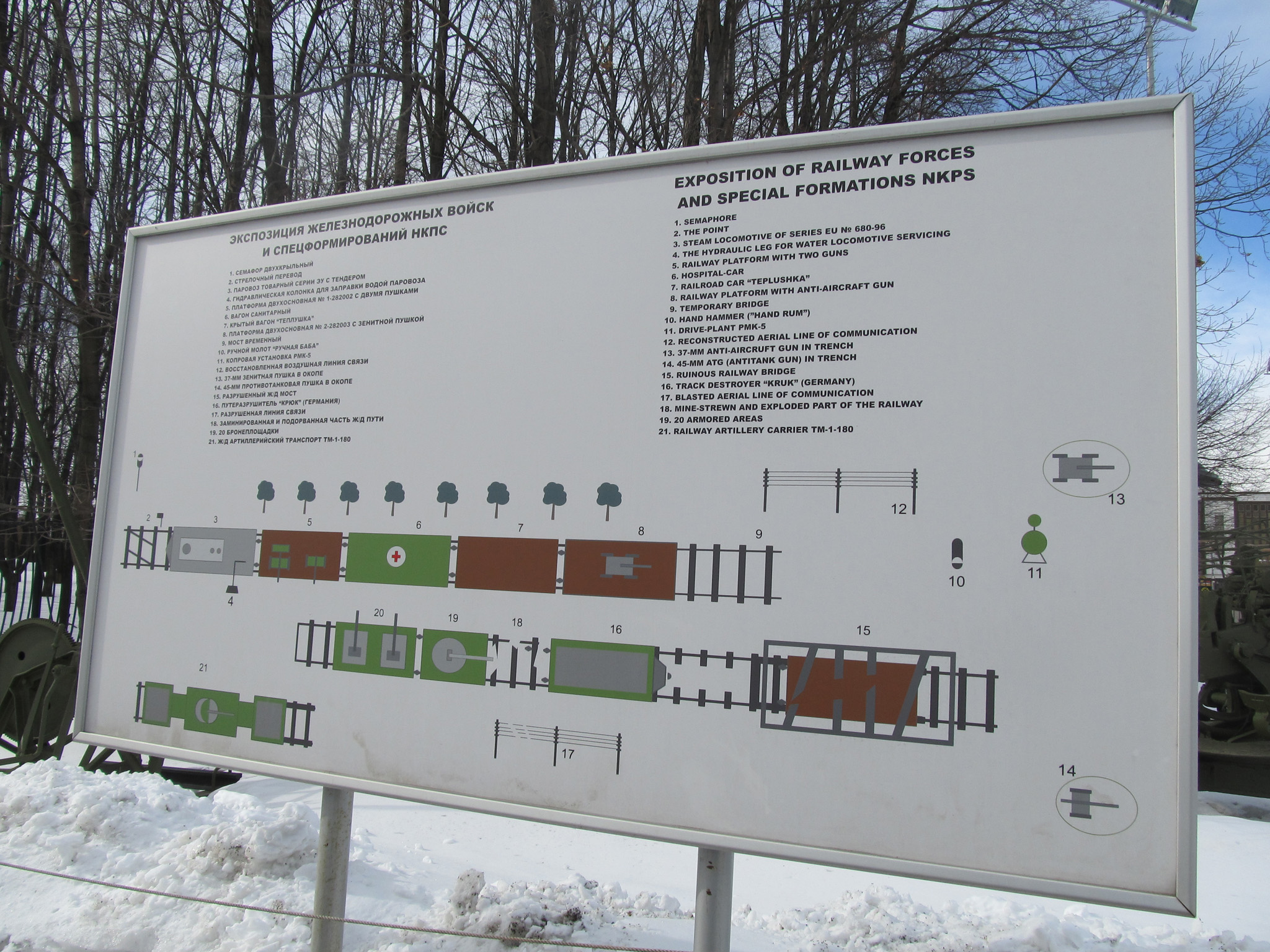
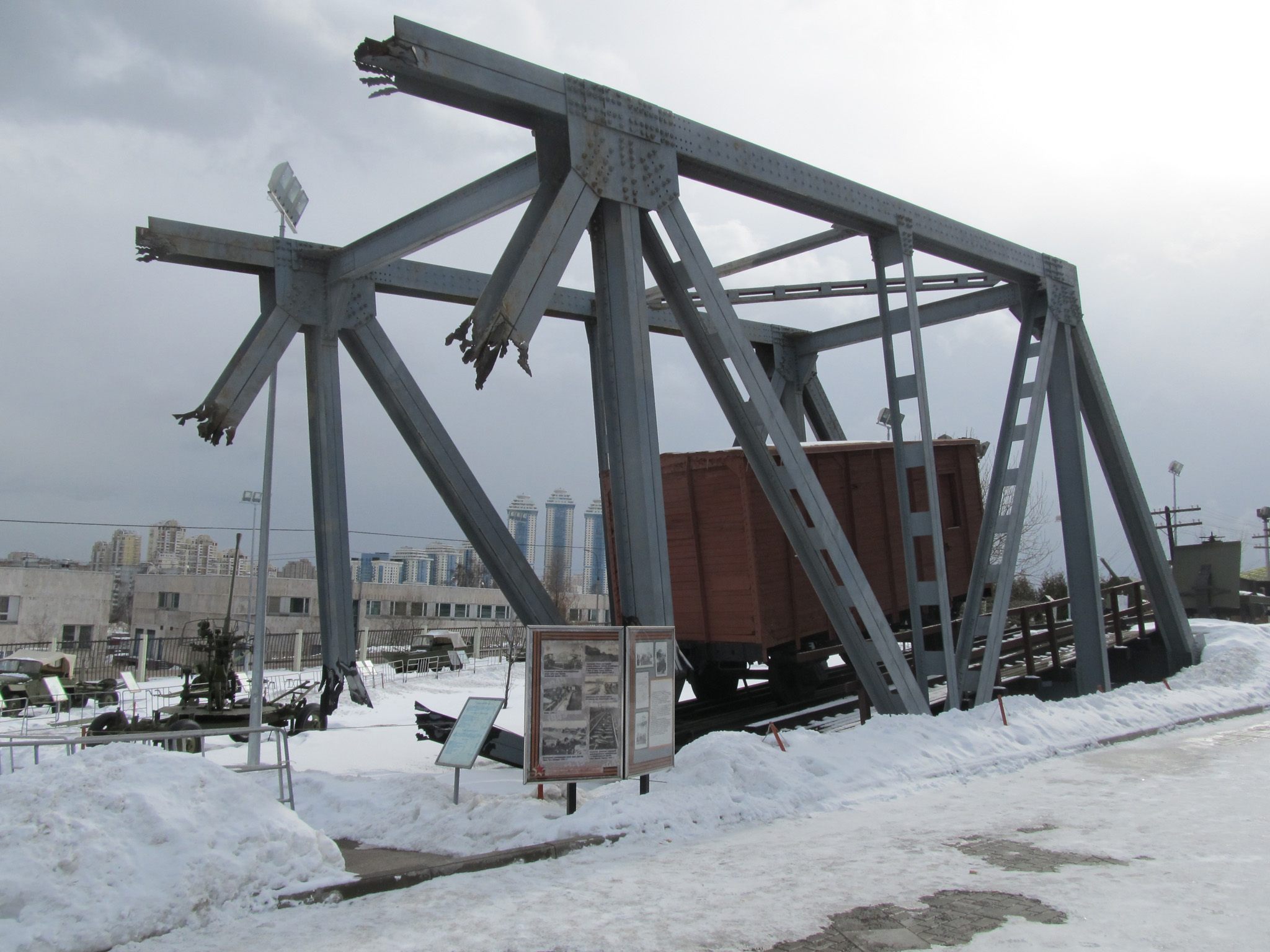
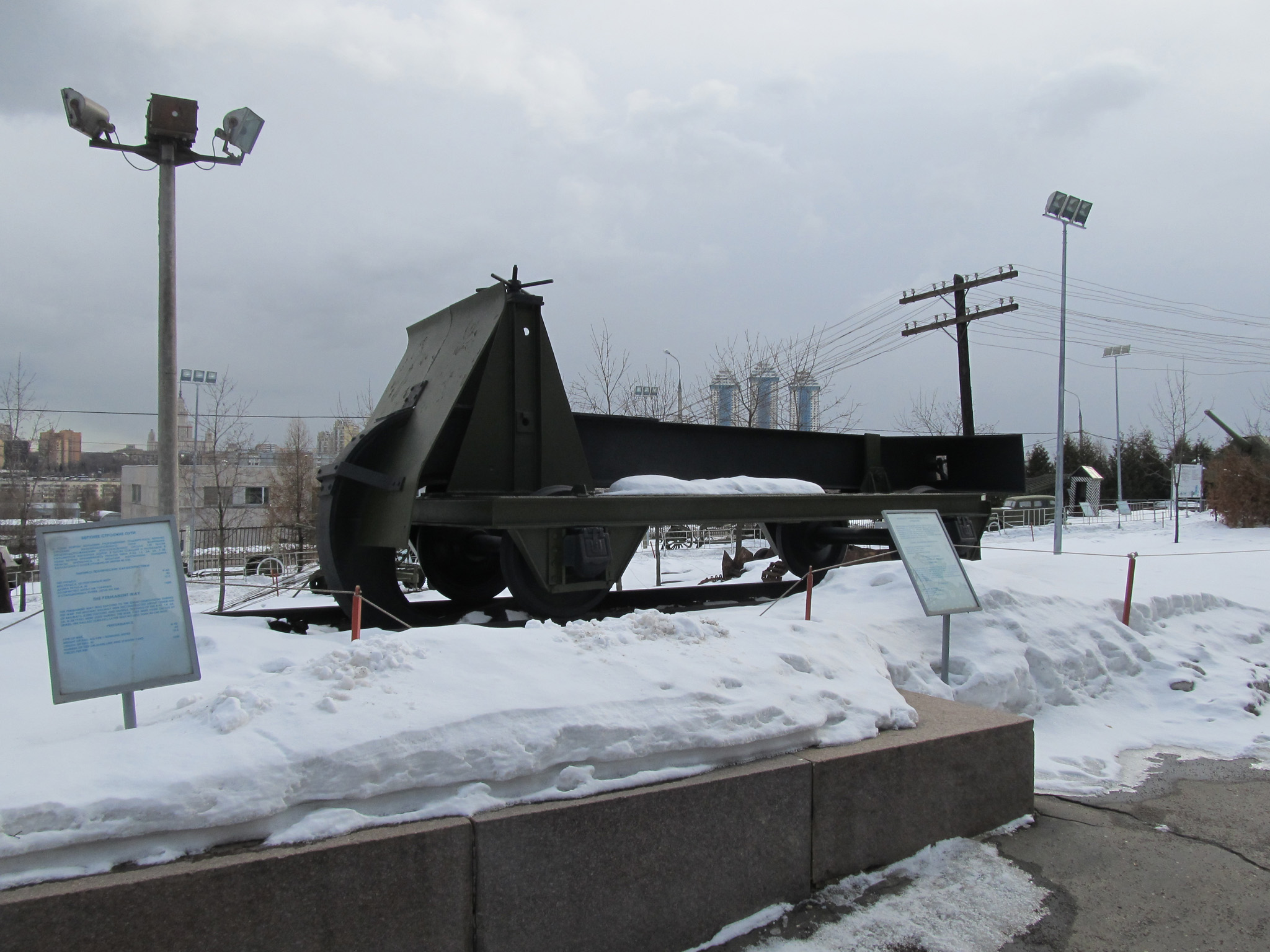
Photos © Andrew Grantham, taken on 25 March 2011.
Oakham level crossing signal box
![[front view]](/images/rail/gb-oakham-front.jpg "Oakham level crossing signal box")
Built in 1899 to Midland Railway design 2b, the Grade II listed signal box at Oakham in Rutland achieved fame as the prototype for the Airfix plastic kit, now made by Dapol (catalogue no.C006).
On 22 August 1999 I happened to be passing through Oakham, and I stopped off to take some photos of the signal box. Jim Filby has kindly supplied some photos of the interior, taken in 2004.
![[Dapol model kit]](/images/rail/dapolsignalbox.jpg)
The June 2001 issue of Railway Modeller magazine had an article on detailing the Airfix/Dapol 4 mm/ft scale kit to resemble the real box more closely.
![[right hand end view]](/images/rail/gb-oakham-right.jpg "Oakham level crossing signal box")
![[back view]](/images/rail/gb-oakham-back.jpg "Oakham level crossing signal box")
![[left hand end view]](/images/rail/gb-oakham-left.jpg "Oakham level crossing signal box")
Inside Oakham signal box
Some interior photos by Jim Filby in 2004.
![[Inside view]](/images/rail/gb-oakham-levers.jpg "Oakham level crossing signal box")
![[Inside view]](/images/rail/gb-oakham-levers2.jpg "Oakham level crossing signal box")
![[Inside view]](/images/rail/gb-oakham-plan.jpg "Oakham level crossing signal box")
Village church
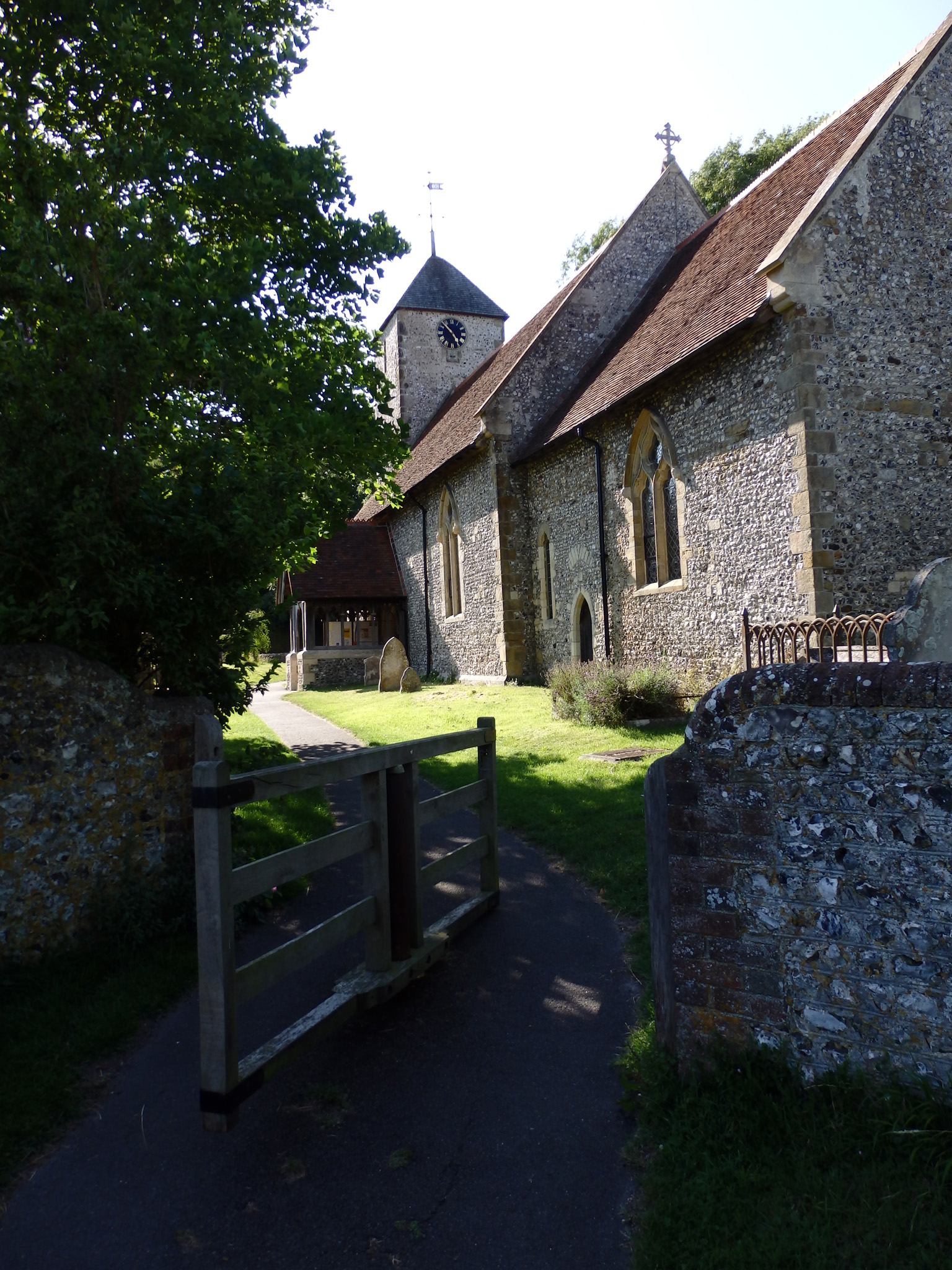
The Airfix/Dapol village church kit (Dapol catalogue no. C029) is based on the Old St Boniface church at Bonchurch, near Ventnor on the Isle of Wight.
Windmill
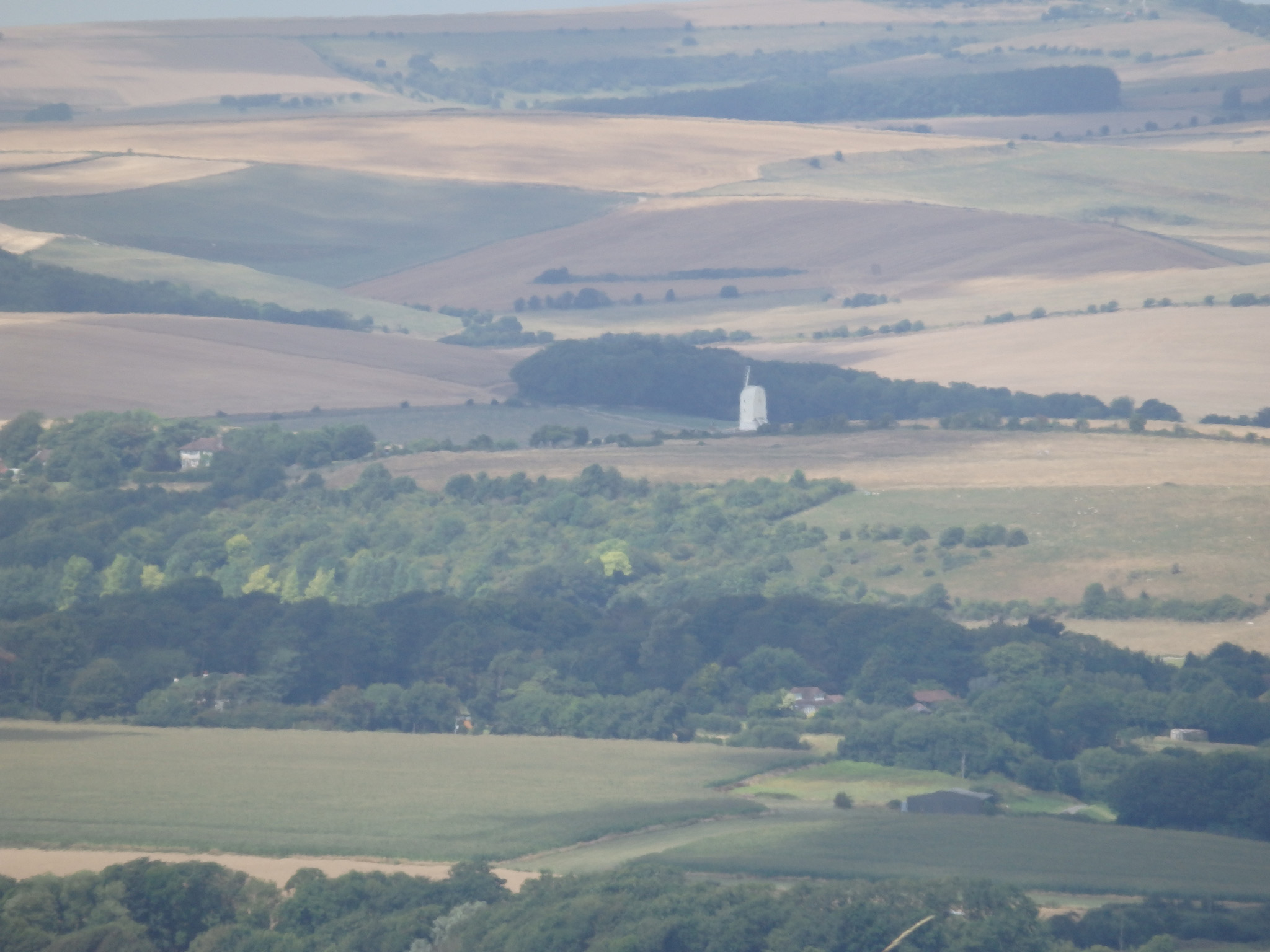
The Airfix windmill kit might be based on Outwood windmill in Surrey.
Other
I would be interested to know the locations of the prototypes (if any) which the other Airfix building kits were based on.