A press release from the National Trust about the Fan Bay sound mirrors:
14 September 2014
One of the UK’s oldest surviving sound mirrors discovered on White Cliffs of Dover
A historic First World War sound mirror is set to be uncovered by the National Trust on the White Cliffs of Dover after planning permission was granted this month.
Sound mirrors were one of the first early warning devices invented in the UK to give advanced notice of approaching enemy aircraft and were a precursor to radar technology. They were themselves a component of a larger network of observation posts which made up the first early warning system in the world – the London Air Defence Area (LADA).
Recent archaeological surveys have confirmed that the First World War sound mirror, along with a second dating from 1920-1929, survives buried under Fan Hole on the iconic White Cliffs in Kent.
It was unknown if both sound mirrors had been demolished in the 1970s until they were rediscovered by the National Trust and local archaeologists on 3 May 2014. Dating from approximately 1917, the First World War sound mirror is the oldest surviving in Kent and one of the earliest known operational sound mirrors to have survived anywhere in the UK.
Work to uncover the sound mirrors, currently buried under around 600 cubic metres of spoil, has now started and is expected to finish in early November. Uncovering the 15 and 20 feet high concrete lined structures, which is so technical that it’s classed as engineering works, will be undertaken by three archaeologists and a team of over 50 volunteers, with all spoil pulled up the steep sides of Fan Hole to be removed. Once uncovered the sound mirrors will be assessed and any necessary conservation work undertaken.
Jon Barker, visitor experience manager at the White Cliffs comments: “With one dating from 1917 and the other being a slightly later prototype, the sound mirrors are a significant national discovery and we hope that visitors will be as amazed as us at their survival. To have rediscovered them both and to now be uncovering them is something which our team here will never forget”.
Records survive showing that the older of the two sound mirrors was in use during the First World War to detect incoming aircraft in 1917-18. The development of radar in 1935 put an end to sound mirror technology and many fell into disrepair. Those on the White Cliffs were eventually buried by the council in the 1970s as part of a campaign to clear up the local area.
The excavation work, which has the consent of Natural England, will restore native chalk grassland to the area, by removing the rubble and debris that was used to bury the sound mirrors, and has since prevented the natural habitat from thriving. The restoration project will initially result in some areas of bare chalk, but these will soon return to downland turf with its wide range of wildflowers, butterflies and other species.
Jon Barker adds: “During the feasibility study we discovered conflicting information about the survival of the sound mirrors with some records suggesting that they might have been demolished or tipped over. It was therefore very exciting when preliminary archaeological surveys showed that the top of both mirrors survive in relatively good condition. We are all very much looking forward to restoring a once prominent feature of this iconic landscape”.
Keith Parfitt, a local archaeologist from Canterbury Archaeological Trust, also comments: “I have known the area since I was a teenager and remember seeing the sound mirrors before they were buried in the 1970s. It is still a matter of deep regret to me that so much was demolished in Dover during this time, so it has been very rewarding to help the team at the White Cliffs rediscover the sound mirrors this year. I am thrilled to see the work go ahead and cannot wait to stand on the landscape and admire the sound mirrors once they are fully exposed; they will be a real point of interest for visitors”.
During the works, which are expected to take four weeks, members of the public are being asked to share any historic photos, video footage, anecdotes or memories of the sound mirrors, particularly from the Second World War or 1970s, with the National Trust. Contact the local team at White Cliffs of Dover by emailing whitecliffs@nationaltrust.org.uk or calling 01304 207326.
Both sound mirrors are located on land purchased by the National Trust in 2012 after a successful public appeal raised £1.2million in 133 days. The project to uncover them has been part funded by a Landscape Heritage Grant, given by the Heritage Lottery Funded Up on the Downs Landscape Partnership Scheme. It has also been supported by donations from Subterranea Britannica an archaeological society which studies underground sites.
For more information on the White Cliffs of Dover or the sound mirrors visit www.nationaltrust.org.uk/white-cliffs-dover
Sound mirrors: Q&A
The history of sound mirrors
Sound mirrors were one of the first early warning devices invented to give advanced notice of approaching enemy aircraft, were unique to the UK and a precursor to radar technology
They are also known as acoustic mirrors, listening ears, concrete ears and sound dishes, and are essentially instruments of surveillance
The history of sound mirrors is vague, no one can say for certain who invented them, how the concept was devised or when they were first implemented in the UK
It is believed that the first experimental sound mirror dates to 1915 and was constructed near Detling Aerodrome in Kent. It was cut out of the chalk and it no longer survives
A significant development of the time, experiments and successes with the sound mirror technique might have been crucial to the war effort and possibly informed the country’s interwar and foreign policy
Sound mirrors are known to have been built at 16 locations in the UK
The development of radar in 1935 put an end to the sound mirrors and many fell into disrepair
The only sound mirror outside the UK is in Malta – which, when built was on Commonwealth land and built as part of the Empire’s defence system
How sound mirrors work
The aim of a sound mirror was to detect enemy aircraft by the sound of their engines, and provide warning before aircraft could be seen
The sound mirrors at Fan Bay worked by concentrating sound waves into a central point, which were picked up by a listening apparatus facing the curved surface. An operator using a stethoscope would be stationed at the front of the sound mirror, and would need specialist training in distinguishing different sounds
A curved sound mirror would increase the distance that an aircraft’s noise could be heard and allow warning of its advancement
They were often made of, or lined with, concrete as this made a good sound reflective surface
The sound mirrors at Fan Bay
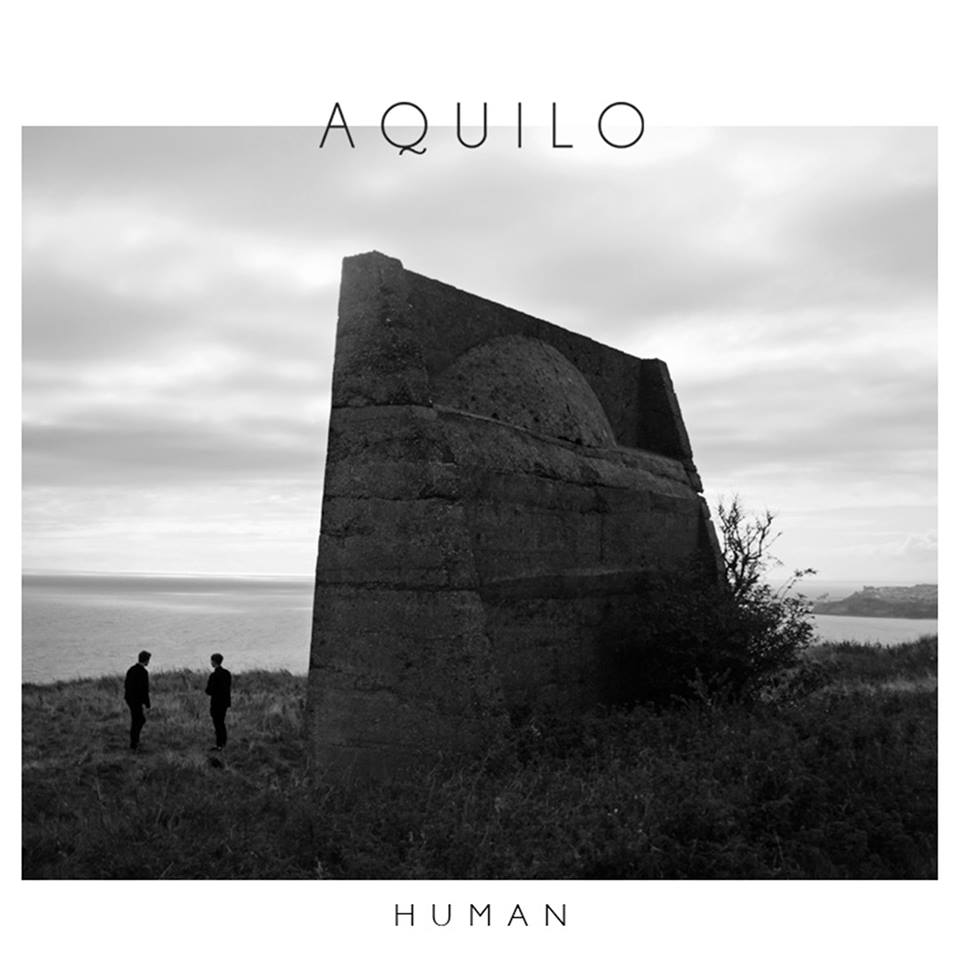
There are two sound mirrors located at Fan Hole on the White Cliffs of Dover, one dating from the First World War and one thought to date from 1920-1929, most likely a modernisation of these earlier facilities
Dating from approximately 1917, the First World War sound mirror is the oldest surviving in Kent and one of the earliest known operational sound mirrors to have survived anywhere in the UK
Primary evidence of the smaller mirrors date can be found in a letter written by Major William Tucker, the scientist who was involved with the first experiments at Fan Bay
The smaller mirror at Fan Bay also matches other early mirrors of which better photographic records survive
The 1917 sound mirror is 15 feet high, cut into the chalk cliff and concrete lined. The second mirror is 20 feet high and built in a similar way
Both sound mirrors are located on the land purchased by the National Trust in 2012 after a successful public appeal raised £1.2million in 133 days
The sound mirrors were covered over in the 1970s and were re-discovered by the Trust on 3 May 2014. An archaeological report soon afterwards confirmed their survival
Uncovering the sound mirrors
Approximately 600 cubic metres of soil and rubble is expected to need removing in order to uncover both sound mirrors
This will be done by three archaeologists and a team of over 50 volunteers using a combination of machines and manpower. Two excavators and dumpers will remove surface material before volunteers do the detailed cleaning and excavating required once closer to the structure’s surfaces in order to prevent any damage
The rubble will be taken up the steep sides of Fan Hole in order to be disposed of
The work is classed as engineering work and required planning permission
The excavation work, which has the consent of Natural England, will restore native chalk grassland to the area, by removing the rubble and debris that was used to bury the sound mirrors, and has since prevented the natural habitat from thriving
Timeline of the work
Planning permission granted 10 September 2014
Planning conditions passed on 3 October 2014
Work began on 6 October 2014
Mirrors uncovered and spoil removed – expected completion by 3 November 2014
Top facts about the White Cliffs of Dover
The first section of the White Cliffs of Dover was acquired by the National Trust in 1968
The cliffs stand at 110 metres – taller than Big Ben and the same height as 25 London buses stacked on top of each other
It is the first place in the UK to see the sunrise for six months of the year (during winter)
Searchlight batteries can be seen in the cliff face. They were created before the First World War to illuminate ships trying to enter the harbour
Hundreds of thousands of troops saw the welcoming sight of the White Cliffs of Dover after the evacuation of Dunkirk in May 1940
The White Cliffs are one of the 25 official icons of Britain
There are 40-50 flowering plant species per square metre on the cliffs. A Special Area for Conservation, the area is home to endangered wildlife and a habitat for orchids and other chalk grassland specialists, including parasitical plant oxtongue broomrape, which is only found here and on the Isle of Wight
Visiting the sound mirrors
The sound mirrors are located on Fan Hole, accessible via the way marked walking route across the White Cliffs
During the excavation, visitors may not be able to get close to the sound mirrors due to the nature of the work taking place
The White Cliffs coastline and car park is open daily between 8am and 7pm. Visitor facilities including a tea room, shop and toilets are available at the White Cliffs visitor centre (open 10am – 7pm) and at nearby South Foreland Lighthouse (open Friday to Monday, 11am – 5.30pm)